
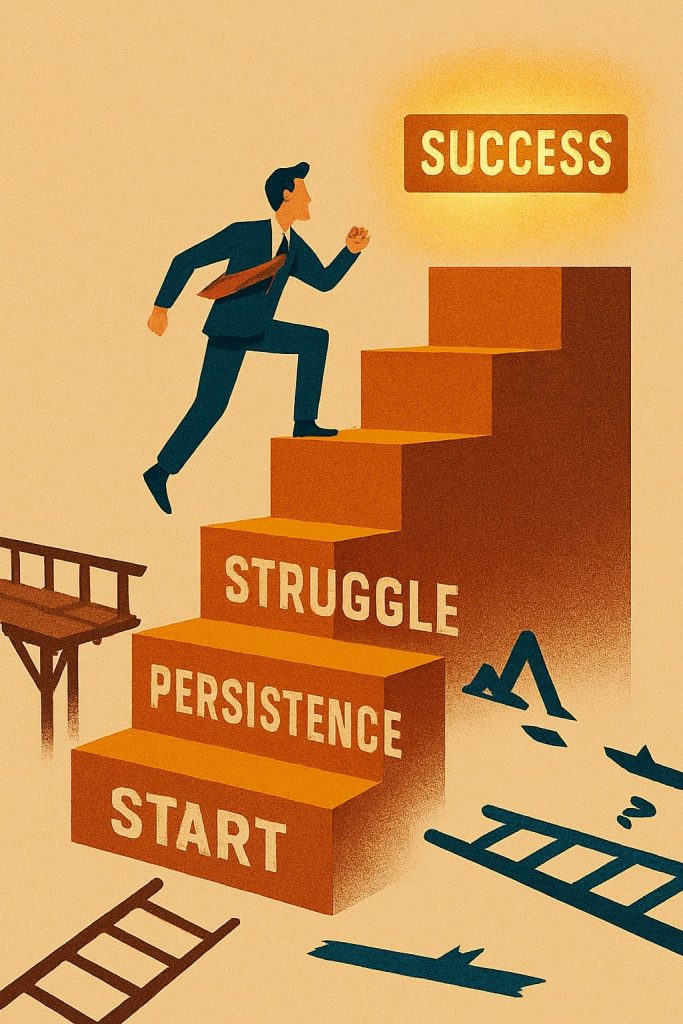
You Can’t Succeed Without Finishing What You Started
Success rarely collapses under the weight of grand failures. More often, it quietly erodes because of unfinished beginnings. The world is full of intelligent ideas, ambitious plans, and well-intentioned efforts that never reached completion. Why? Because starting is celebrated, but finishing is what actually counts.
Finishing what you start may appear to be a small habit—almost trivial in a world obsessed with speed, hacks, and shortcuts. Yet, it is the invisible backbone of every meaningful success story. Talent opens the door, enthusiasm pushes it halfway, but completion is what allows you to walk in.
Unfinished work creates invisible damage. It weakens self-trust. Each abandoned goal sends a subtle message to the mind: “I don’t follow through.” Over time, this belief becomes a self-fulfilling prophecy. Confidence declines, motivation drops, and discipline dissolves. Failure, then, is not dramatic—it is habitual.
In professional life, incomplete tasks dilute credibility. Employers don’t reward intentions; markets don’t value effort; clients don’t pay for half-delivered promises. A project unfinished is indistinguishable from a project never started. The corporate world remembers execution, not excuses.
In personal life, the same principle applies. Fitness goals abandoned halfway weaken physical health. Relationships left unresolved create emotional residue. Learning a skill but never mastering it keeps potential permanently “under construction.” Life does not reward interest; it rewards completion.
History offers a consistent lesson: every breakthrough, invention, book, business, or movement exists because someone refused to quit midway. The difference between mediocrity and mastery is not brilliance—it is perseverance till the last mile, especially when enthusiasm fades and resistance peaks.
Finishing what you start builds character. It trains the mind to tolerate discomfort, boredom, and delayed gratification—qualities essential for leadership, growth, and long-term success. It converts ideas into outcomes and dreams into results.
Ironically, success is less about doing extraordinary things and more about doing ordinary things extraordinarily well—right up to the end.
If you want one principle that quietly governs all success, this is it: start less, but finish everything you start. Because in life, beginnings inspire hope—but only completion creates success.